Why I Keep Going Back to Acupuncture and Massage for Real Results
Have you ever felt stuck with aches that just won’t quit, no matter how many pills you take or stretches you try? I did. Then I discovered acupuncture and massage—not as trendy fixes, but as real, consistent tools that helped me reclaim how I move and feel every day. This isn’t about miracles; it’s about measurable shifts in energy, mobility, and comfort. Let me walk you through what actually works—and why your body might be craving this kind of care, too.
The Hidden Cost of Chronic Discomfort
Millions of adults live with persistent physical discomfort, often dismissing it as an unavoidable part of aging or busy lifestyles. Common issues like low back pain, neck stiffness, shoulder tension, and chronic fatigue are more than just minor annoyances—they can quietly erode quality of life. These conditions affect how people sleep, concentrate at work, engage with family, and participate in daily activities. Over time, the accumulation of small physical setbacks can lead to reduced mobility, increased stress, and a growing sense of helplessness about one’s own body.
Traditional approaches such as over-the-counter pain relievers or occasional stretching may offer temporary relief, but they rarely address the root causes of these recurring problems. Many women between the ages of 30 and 55—balancing professional responsibilities, household duties, and caregiving—find themselves in a cycle of discomfort and fatigue that seems difficult to break. The reality is that chronic pain isn’t something to simply endure. It’s a signal from the body that something needs attention, and ignoring it can lead to longer-term complications.
This is where integrative therapies like acupuncture and therapeutic massage have gained recognition. Unlike invasive procedures or long-term medication use, these body-centered practices work with the body’s natural systems to restore balance and function. They are increasingly supported by healthcare professionals as part of a holistic approach to wellness. Rather than masking symptoms, they aim to support the body’s ability to heal and regulate itself, offering sustainable improvements in how a person feels and moves on a daily basis.
What Exactly Are Acupuncture and Massage? (And What They’re Not)
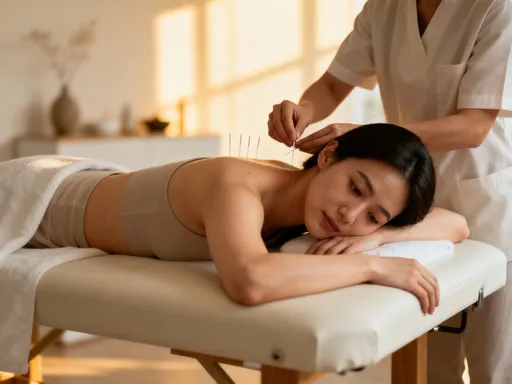
Acupuncture is a practice rooted in traditional Chinese medicine that involves the gentle insertion of fine, sterile needles into specific points on the body. These points are located along pathways known as meridians, which are believed to carry vital energy, or “qi.” Modern research suggests that acupuncture influences the nervous system, helping to modulate pain signals and promote natural healing responses. Far from being a mystical or painful procedure, most people report feeling little more than a brief sensation when the needle is placed—often described as a slight tingling or dull pressure.
Massage therapy, on the other hand, refers to the hands-on manipulation of muscles, tendons, ligaments, and connective tissues. While many associate massage with relaxation, therapeutic massage goes beyond simple stress relief. It is used to release muscle tension, improve circulation, and address specific areas of strain or injury. Techniques vary widely—from gentle Swedish strokes to deeper pressure methods—but all aim to support the body’s physical function and recovery processes.
It’s important to clarify what these therapies are not. They are not miracle cures or instant fixes. They do not promise to eliminate all pain in one session, nor are they meant to replace medical diagnosis or treatment for serious conditions. Acupuncture and massage are not forms of entertainment or luxury spa indulgences, though they can certainly be pleasant experiences. Instead, they are evidence-informed, non-invasive tools that help the body regain its natural rhythm and resilience. Understanding them for what they truly are—practical, repeatable methods of supporting physical well-being—allows individuals to approach them with realistic expectations and greater benefit.
Why “Effective” Matters: Redefining Personal Health Standards
For too long, many people have accepted low-grade pain and constant fatigue as normal parts of adult life. Headaches, stiff shoulders, and aching backs are often brushed off with comments like “That’s just how I am” or “I’m getting older.” But this normalization of discomfort lowers the bar for what we consider acceptable health. When chronic pain becomes routine, it can dull our awareness of what true physical ease feels like. Over time, this diminished standard can lead to decreased activity, poor sleep, and even emotional strain.
A shift is happening in how health is defined—not just as the absence of disease, but as the presence of vitality, mobility, and resilience. Modern integrative health emphasizes prevention, function, and quality of life. In this framework, feeling better isn’t a luxury; it’s a measurable goal. Acupuncture and massage contribute directly to this higher standard by helping individuals restore movement, reduce reliance on pain medication, and improve their day-to-day experience of their bodies.
What makes these therapies effective is their ability to produce consistent, cumulative results. Unlike quick fixes that wear off within hours, regular bodywork supports lasting changes in how the body manages pain and stress. Women who incorporate these practices into their routines often report not only fewer aches but also improved energy levels, better sleep, and a greater sense of control over their physical well-being. By raising the baseline of how the body feels, acupuncture and massage help redefine what “normal” should really feel like.
How Acupuncture Actually Works: Science Meets Experience
While acupuncture has ancient origins, modern science has begun to uncover the physiological mechanisms behind its benefits. One of the most well-documented effects is the stimulation of endorphin release—natural chemicals in the body that act as pain relievers and mood enhancers. Acupuncture also influences the autonomic nervous system, helping to shift the body from a state of stress (sympathetic dominance) to one of rest and repair (parasympathetic activation). This shift can reduce muscle tension, lower heart rate, and support deeper, more restorative sleep.
Research has shown that acupuncture can modulate pain signals in the brain and spinal cord, making it a valuable tool for managing chronic pain conditions such as osteoarthritis, lower back pain, and tension headaches. Studies published in reputable medical journals have demonstrated that acupuncture provides statistically significant pain relief compared to sham treatments or no treatment at all. In some cases, patients report reduced need for pain medication, which can be especially beneficial for those seeking to avoid long-term pharmaceutical use.
Many people notice changes after just a few sessions. A mother of two in her early 40s, for example, found that her frequent migraines—once triggered by stress and neck tension—became less intense and less frequent after starting biweekly acupuncture. Another woman in her 50s, recovering from a minor car accident, used acupuncture to manage lingering shoulder pain and reported improved range of motion and reduced stiffness. These are not isolated anecdotes; they reflect a growing body of real-world experiences supported by clinical evidence. Acupuncture works not by magic, but by engaging the body’s own healing systems in a targeted, gentle way.
The Power of Touch: Why Massage Goes Beyond Relaxation
Therapeutic massage is more than a way to unwind after a long week. It is a powerful form of physical intervention that supports tissue health, circulation, and nervous system regulation. When muscles are overused or held in tension for prolonged periods—common in those who sit at desks, carry children, or perform repetitive tasks—they can develop adhesions, or “knots,” that restrict movement and contribute to pain. Massage helps break down these adhesions, improving flexibility and reducing discomfort.
Improved blood flow is another key benefit. Enhanced circulation delivers more oxygen and nutrients to muscles while helping remove metabolic waste products like lactic acid. This process supports faster recovery from physical strain and reduces post-activity soreness. For women managing active households or returning to exercise after a break, this can make a meaningful difference in how they feel from day to day.
Modern lifestyles often lead to postural imbalances—rounded shoulders from computer use, forward head posture, tight hips from prolonged sitting. These patterns place uneven stress on the body, leading to chronic strain in the neck, back, and pelvis. Massage therapy, especially techniques like myofascial release or deep tissue work, can help correct these imbalances by releasing tight connective tissue and restoring more balanced muscle tone. Over time, this contributes to better posture, easier movement, and fewer episodes of acute pain.
The therapeutic value of touch itself should not be underestimated. In a world where physical contact is often limited to brief greetings or functional interactions, the intentional, nurturing touch of a skilled massage therapist can have profound psychological and physiological effects. It signals safety to the nervous system, helping to lower cortisol levels and promote a sense of calm. This mind-body connection is a crucial part of why massage feels so restorative—not just physically, but emotionally.
Putting It Into Practice: Building a Realistic Routine
Integrating acupuncture and massage into a sustainable routine doesn’t require drastic changes or excessive time commitments. The key is consistency and alignment with individual needs. For those new to these therapies, starting with a session every two to four weeks can be an effective way to assess response and build familiarity. As the body begins to respond, some may choose to adjust frequency based on lifestyle demands, seasonal changes, or physical activity levels.
Choosing a qualified practitioner is essential. Look for licensed acupuncturists (L.Ac.) and certified massage therapists (LMT or equivalent) who have completed accredited training programs. A good provider will take time to understand your health history, listen to your concerns, and tailor the session to your specific needs. They should also be open to collaborating with your primary care provider if necessary, especially if you have ongoing medical conditions.
To maximize benefits, consider supporting your sessions with simple daily habits. Staying well-hydrated helps flush metabolic byproducts released during massage. Gentle movement—such as walking, stretching, or yoga—can enhance circulation and maintain improvements in flexibility. Prioritizing rest and quality sleep further supports the body’s natural healing processes. Avoiding prolonged sitting and taking short breaks to stand and move throughout the day can also reduce the buildup of tension.
It’s important to manage expectations. While some people experience immediate relief, others notice gradual improvements over several sessions. The goal is not perfection, but progress. Think of acupuncture and massage as preventive maintenance for the body—like regular dental cleanings or car tune-ups. They work best when used consistently, not just when problems arise. Over time, this proactive approach can reduce the frequency and severity of physical setbacks, helping you stay active and engaged in life.
When to Seek Help and How to Stay Grounded
While acupuncture and massage offer many benefits, they are not substitutes for medical evaluation or treatment. If you are experiencing new, severe, or worsening pain, it’s important to consult a healthcare provider to rule out underlying conditions. These therapies work best as part of a comprehensive approach to health, complementing medical care rather than replacing it. Always inform your practitioner about any diagnosed conditions, injuries, or medications you are taking to ensure safe and appropriate treatment.
Pregnant women, individuals with bleeding disorders, or those on blood-thinning medications should seek guidance from their doctor before beginning acupuncture or deep tissue massage. Certain techniques may need to be modified or avoided to ensure safety. Similarly, people with recent surgeries, fractures, or active infections should wait until cleared by a physician before receiving bodywork.
True wellness is not about chasing a pain-free ideal or achieving a perfect body. It’s about listening to your body, respecting its limits, and responding with care. Acupuncture and massage are tools that support this relationship—helping you become more aware of physical signals and more empowered to respond. They encourage a mindset of self-responsibility, where small, consistent actions lead to meaningful long-term changes.
For women navigating the demands of midlife, these practices offer a way to reclaim physical comfort and energy without relying solely on medication or invasive procedures. They provide a space to pause, reset, and reconnect with the body in a supportive, non-judgmental environment. This is not about vanity or performance; it’s about sustainability—being able to move through life with greater ease, strength, and resilience.
Conclusion
Acupuncture and massage aren’t quick fixes—they’re tools for raising your health baseline. Over time, they help reset what “normal” feels like: less stiffness, more ease, greater awareness. By integrating them wisely into a balanced life, you’re not just treating symptoms—you’re investing in a stronger, more responsive body. And that’s a standard worth aiming for.