Why I Finally Found Calm: My Simple Meditation Journey
Have you ever felt overwhelmed by constant thoughts, stress, or mental noise? I did—until I tried something surprisingly simple: meditation. No fancy tools, no hours of sitting still—just a few quiet moments that gradually changed my days. I didn’t expect much, but within weeks, I noticed clearer thinking, better sleep, and a calmer mood. This is how a no-pressure approach to meditation quietly transformed my mental well-being. It wasn’t a dramatic shift, but a gentle unfolding—like learning to listen to myself again. Over time, the chaos in my mind began to settle, not because life became easier, but because I had developed a new way of responding to it.
The Breaking Point: When My Mind Felt Like a Browser with 100 Tabs
Before I began meditating, my mind was constantly running—like a web browser with dozens of tabs open, each one playing a different video, loading slowly, and threatening to crash the system. I would wake up already feeling behind, my thoughts racing about what needed to be done, what I had forgotten, or what could go wrong. Simple decisions felt overwhelming. A minor disagreement with a family member could spiral into hours of rumination. I was physically present but mentally scattered, always half-focused on something else—planning dinner while helping with homework, worrying about work emails during a walk, replaying a conversation from the day before while trying to fall asleep.
The emotional toll was just as heavy. I noticed I was more irritable than usual, snapping at small things—a misplaced item, a delayed appointment, a slow driver. I didn’t want to be that way, but it felt like I had no control over my reactions. Fatigue followed me like a shadow, even after a full night’s sleep. I would lie in bed at night, mentally reviewing the day’s events or anticipating tomorrow’s challenges, unable to quiet the internal commentary. It wasn’t clinical anxiety, but a low-grade, persistent hum of mental unrest that colored everything I did.
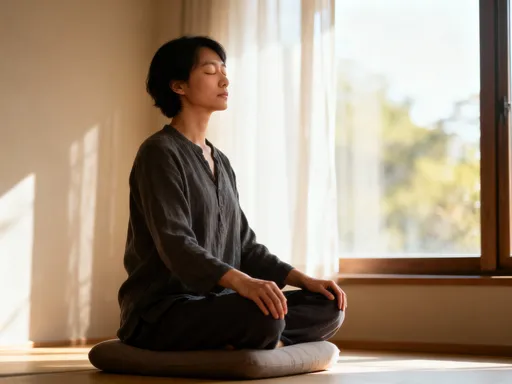
I had tried meditation before, years ago, but I gave up quickly. My first attempt involved sitting cross-legged on the floor, eyes closed, trying to ‘clear my mind’ as I thought meditation required. When thoughts inevitably popped up—what to make for dinner, a work deadline, a memory from childhood—I felt like I was failing. I believed that real meditation meant achieving silence, stillness, and perfect focus. Since I couldn’t do that, I assumed it wasn’t for me. I didn’t understand then that noticing the thoughts was the practice, not the problem. It wasn’t until a friend casually mentioned that she meditated for just two minutes each morning that I reconsidered. She wasn’t spiritual, didn’t burn incense, and didn’t talk about enlightenment. She simply said it helped her stay grounded. That small, practical framing made me curious enough to try again—this time, without expectations.
What Meditation Actually Is (Spoiler: It’s Not About Perfection)
One of the biggest barriers to starting meditation is misunderstanding what it’s supposed to be. Many people, like I once did, believe meditation is about stopping thoughts, reaching a state of bliss, or becoming completely calm. But that’s not accurate. Meditation is not about achieving a perfect mental state. Instead, it’s a form of mental training—a way to strengthen your awareness and your ability to respond thoughtfully rather than react automatically. Think of it as mental hygiene, much like brushing your teeth. You don’t brush your teeth expecting to achieve perfection; you do it daily to maintain health and prevent problems down the line. In the same way, meditation is a routine practice that supports long-term mental well-being.
At its core, meditation is the practice of paying attention on purpose, without judgment. It’s about noticing what’s happening in your mind and body in the present moment—whether it’s the sensation of your breath, the sound of traffic outside, or the feeling of tension in your shoulders—and simply observing it without trying to change it. When your mind wanders, as it naturally will, the practice is to gently bring your attention back. That act of noticing and returning is the exercise. It’s like doing a bicep curl for your attention muscle. Over time, this builds greater focus, emotional regulation, and self-awareness.
Reputable health institutions, including Harvard Medical School and the Mayo Clinic, recognize mindfulness and meditation as valuable tools for mental health. They emphasize that these practices are not religious or mystical, but accessible techniques grounded in observable benefits. They are often recommended as part of a broader strategy for managing stress, improving sleep, and supporting emotional balance. The goal is not to eliminate thoughts or emotions, but to change your relationship with them—learning to observe them without getting swept away. This shift in perspective can be profoundly liberating, especially for anyone who feels controlled by their own mind.
Why This Tiny Habit Made a Real Difference
The changes I noticed after starting meditation were subtle at first, but they accumulated in meaningful ways. Within the first few weeks, I began to sleep more soundly. I still had nights where my mind raced, but they became less frequent. I found myself waking up feeling more rested, even if I hadn’t slept longer. My ability to focus improved—I could read a book without constantly checking my phone, or listen to someone without mentally drafting my response before they finished speaking. These might seem like small things, but they added up to a greater sense of presence and control.
Perhaps the most noticeable shift was in my emotional responses. I began to catch myself before reacting impulsively. When a driver cut me off in traffic, instead of honking or muttering under my breath, I noticed the surge of anger—and then let it pass. It didn’t mean I never got upset, but the intensity and duration of my reactions decreased. I had more space between the trigger and my response, and that space made all the difference. I also became more patient with my family, more present during conversations, and less likely to take things personally.
These benefits are supported by a growing body of scientific understanding. Regular meditation has been associated with lower levels of cortisol, the stress hormone, which can reduce inflammation, improve immune function, and support cardiovascular health. It also appears to strengthen the prefrontal cortex, the part of the brain responsible for decision-making, attention, and emotional regulation. While I didn’t start meditating for these reasons, knowing there’s a biological basis for the changes I experienced added to my confidence in the practice. It wasn’t magic—it was measurable, gradual rewiring of my mental habits.
Interestingly, some of the benefits extended beyond my mental state. I began to eat more mindfully, noticing when I was truly hungry versus eating out of habit or stress. I paid more attention to my body’s signals, like fatigue or tension, and responded with care rather than pushing through. These small shifts didn’t require willpower; they emerged naturally from a greater sense of awareness. Meditation didn’t fix every challenge in my life, but it gave me a steadier foundation from which to face them.
How I Started—And Why Keeping It Stupid Simple Was Key
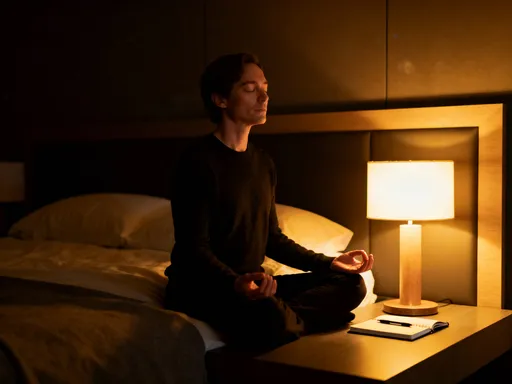
I didn’t begin with lofty goals or a complicated routine. In fact, the reason I finally succeeded was because I made the practice as simple as possible. I started with just two minutes a day. That’s it. Two minutes, right after brushing my teeth in the morning. I chose that time because it was already part of my routine—I didn’t have to remember to fit meditation in; it was attached to something I was already doing. I sat on the edge of my bed, feet on the floor, hands in my lap. I closed my eyes and focused on my breath—the cool air entering my nostrils, the rise and fall of my chest.
At first, I was surprised by how quickly my mind wandered. Within seconds, I’d be thinking about my to-do list, a text I needed to send, or a dream I had the night before. When I noticed this, I gently brought my attention back to my breath. I didn’t scold myself or feel like I’d failed. I simply returned. Some days, I only managed to stay focused for a few breaths before drifting off again. But I kept showing up. I didn’t need a meditation cushion, a quiet room, or a special app. I didn’t even need silence—sometimes, I could hear the coffee brewing or the kids stirring in their rooms. And that was okay.
The key was removing all barriers to entry. I didn’t aim for perfect conditions or long sessions. I didn’t wait until I had more time or less stress. I started exactly where I was, with what I had. This low-pressure approach made it sustainable. I wasn’t trying to transform myself overnight; I was simply building a tiny habit. And because it felt manageable, I didn’t resist it. Over time, those two minutes became something I looked forward to—a small pocket of stillness before the day began. After a few weeks, I naturally began to extend the time to five minutes, then ten, but only because it felt right, not because I was forcing it.
Making It Stick: No Willpower Needed
One of the most common reasons people give up on habits is that they rely too much on motivation and willpower. But motivation fades. What lasts is integration—tying a new behavior to an existing routine. That’s exactly what I did with meditation. By linking it to brushing my teeth, I made it automatic. I didn’t have to decide whether to meditate each day; it was just the next step in my morning sequence. This kind of habit stacking reduces the mental effort required and increases consistency.
I also used a few simple strategies to support the habit. I set a gentle reminder on my phone, not to pressure myself, but as a kind nudge. I occasionally tracked my streak—not obsessively, but just enough to feel a sense of continuity. If I missed a day, I didn’t berate myself. I simply returned the next day. Perfection wasn’t the goal; persistence was. I also created a small environmental cue: I left a folded blanket on my bed, a visual reminder that this was my meditation spot. I kept my phone on silent during those minutes, not because I needed complete quiet, but to minimize distractions.
There were times when I didn’t feel like meditating—when I was tired, rushed, or emotionally overwhelmed. On those days, I reminded myself that even one conscious breath counted. I lowered the bar even further: if two minutes felt too long, I’d do one. If sitting felt hard, I’d stand or lie down. The goal wasn’t duration or form; it was showing up. Over time, the small wins built momentum. I began to notice how much better I felt on days I meditated, which naturally strengthened my desire to continue. It wasn’t about discipline; it was about positive reinforcement. The habit sustained itself because it felt good, not because I was forcing it.
What to Expect (And What Not to)
If you’re considering meditation, it’s important to have realistic expectations. Some days, your mind will feel calm and focused. Other days, it will feel like a storm. Both are normal. You might sit down hoping for peace and instead find yourself replaying an argument from last week or worrying about an upcoming event. That doesn’t mean you’re doing it wrong. In fact, noticing the chaos is part of the practice. The goal isn’t to achieve constant calm or bliss; it’s to develop awareness and kindness toward whatever arises.
Don’t expect immediate results. The benefits of meditation are cumulative, like compound interest for your mind. You won’t wake up after one session feeling transformed. But over weeks and months, you may notice subtle shifts—a little more patience, a little less reactivity, a little more clarity. Progress isn’t always linear. Some days will feel like a step forward, others like a step back. That’s okay. What matters is consistency, not intensity. Even a short, ‘messy’ session is valuable because it reinforces the habit and the mindset.
Another myth to let go of is that meditation should feel relaxing. While it can be calming, it’s not always comfortable. Sometimes, sitting with your thoughts brings up emotions you’ve been avoiding—sadness, anxiety, restlessness. That’s not a sign to stop; it’s a sign that the practice is working. You’re creating space to feel what you’ve been pushing aside. The skill is not in avoiding discomfort, but in learning to stay with it without reacting. Over time, this builds emotional resilience. You learn that feelings come and go, like weather patterns, and you don’t have to be swept away by them.
Beyond the Cushion: How This Ripple Changed Other Areas
One of the most surprising aspects of my meditation journey was how it influenced other parts of my life. It didn’t just change my mornings; it changed my days. I became more mindful in everyday activities—washing dishes, walking, eating. I noticed the warmth of the water, the rhythm of my steps, the taste of my food. These moments of presence weren’t grand or spiritual; they were simple, grounding. I found myself less distracted, more engaged with the people around me. Conversations felt richer because I was actually listening, not just waiting to speak.
This increased awareness also affected my decision-making. I became more intentional about how I spent my time and energy. Instead of automatically saying yes to every request, I paused and asked myself if it aligned with my priorities. I made healthier choices—not because I was forcing myself, but because I was more in tune with my body’s needs. I drank more water, moved more, and rested when I needed to. These weren’t dramatic overhauls; they were small, consistent shifts that added up over time.
Mentally, I felt less reactive and more responsive. When challenges arose—a scheduling conflict, a family disagreement, a work setback—I didn’t spiral into stress as quickly. I had developed a pause button. That brief moment of awareness allowed me to choose how to respond, rather than being hijacked by emotion. It didn’t make life easier, but it made me more resilient. Meditation didn’t solve all my problems, but it gave me a stronger inner foundation to face them. It became less of a ‘practice’ and more of a way of being—a quiet presence that accompanied me throughout the day.
For anyone feeling overwhelmed, scattered, or emotionally drained, meditation offers a simple, accessible path back to balance. It doesn’t require special skills, equipment, or hours of time. It simply asks for a few moments of your attention, offered with kindness and curiosity. The journey is personal and unfolds at its own pace. There is no finish line, only the ongoing practice of showing up for yourself. And in a world that never stops demanding more, that small act of presence may be the most powerful thing you can do. Always consult a healthcare provider if struggling with persistent mental health concerns—this journey complements, doesn’t replace, professional support.