How I Stopped Chasing Health Fixes and Started Actually Preventing Illness
We often wait until we’re sick to think about health—but what if we flipped the script? I used to rely on quick fixes until I realized true wellness starts long before symptoms appear. Through small, science-backed changes, I’ve strengthened my immunity, boosted energy, and cut down doctor visits. This is not a miracle cure, but a real, practical approach to staying ahead of illness—shared from my journey, not a lab manual. Prevention isn’t flashy, but it works.
The Wake-Up Call: Why Reacting to Illness Isn’t Enough
For years, I measured my health by how often I got sick. I’d catch colds every winter, feel sluggish by mid-afternoon, and rely on coffee and naps to keep going. I thought this was normal—until it wasn’t. One year, I missed three family gatherings due to fatigue and recurring infections. My doctor didn’t find anything serious, but the message was clear: my body was struggling. I was treating symptoms, not supporting health. This was my wake-up call.
The way most of us think about health is reactive. We wait for pain, fatigue, or a diagnosis before we act. But by then, the body has already been under stress for months, even years. According to the Centers for Disease Control and Prevention (CDC), about 80% of heart disease and stroke cases, as well as type 2 diabetes, are preventable through lifestyle changes. Yet, many people only make those changes after a crisis. This pattern shows a deeper flaw in our health mindset: we value treatment over prevention, urgency over consistency.
True health isn’t built in a doctor’s office. It’s built in the quiet moments of daily life—what we eat, how we move, whether we rest. The shift began for me when I stopped asking, “Am I sick?” and started asking, “What is my body trying to tell me?” Instead of waiting for illness to knock, I learned to listen for the whispers—low energy, poor sleep, mood swings—and respond early. This proactive stance didn’t just reduce my colds; it gave me more stamina, better focus, and a stronger sense of control over my well-being.
Prevention isn’t about fear or perfection. It’s about awareness and action. It’s understanding that small, repeated choices shape long-term outcomes. When I began viewing health as a daily practice rather than emergency repair, everything changed. I stopped seeing healthy habits as chores and started seeing them as investments—small deposits into a future of vitality.
Mindset Reset: Seeing Health as a Proactive Game
One of the biggest barriers to prevention is mindset. Many people believe that if they’re not in pain, they’re healthy. Others assume that prevention means strict diets, intense workouts, or giving up all enjoyment. But that’s a misunderstanding. Prevention isn’t about restriction—it’s about empowerment. It’s choosing actions today that protect your future self. And the most powerful tool in this process is consistency, not intensity.
The concept of the “compound effect” changed how I approached wellness. Just like small savings grow into a large sum over time, tiny healthy habits build resilience gradually. Walking 10 minutes a day, drinking more water, or going to bed 15 minutes earlier may seem insignificant. But over weeks and months, these actions add up. Research shows that people who consistently engage in moderate physical activity, eat whole foods, and manage stress have lower rates of chronic illness, even if they don’t follow a “perfect” routine.
Still, mental blocks get in the way. Common ones include “I don’t have time,” “I’ll start next week,” or “One unhealthy meal won’t hurt.” While these thoughts are understandable, they keep us stuck in reactive mode. The truth is, prevention doesn’t require big sacrifices. It requires small, repeatable actions. For example, instead of aiming to overhaul my entire diet, I started by adding one serving of vegetables to dinner. That single change became a habit, which made it easier to add another, and another.
Tracking progress helped reinforce this shift. I didn’t use complicated apps or strict journals. I simply noted when I slept well, drank enough water, or took a walk. Seeing these small wins in writing built confidence and motivation. Over time, I realized that health wasn’t something I achieved—it was something I practiced. And every small choice was a step toward greater resilience.
Nutrition That Shields: Eating to Prevent, Not Just Satisfy
Food is one of the most powerful tools for prevention. What we eat directly influences inflammation, immune function, energy levels, and long-term disease risk. But prevention-focused nutrition isn’t about strict rules or cutting out entire food groups. It’s about choosing foods that support the body’s natural defenses. Whole, minimally processed foods—rich in fiber, antioxidants, and healthy fats—form the foundation of this approach.
Fiber, for example, feeds the beneficial bacteria in the gut, which play a key role in immune regulation. Antioxidants, found in colorful fruits and vegetables, help neutralize free radicals that can damage cells. Healthy fats, such as those in nuts, seeds, and fatty fish, support brain health and reduce inflammation. When I began prioritizing these nutrients, I noticed fewer afternoon crashes and a stronger resistance to common bugs.
Real meals make this practical. For breakfast, I now choose oatmeal with berries, chia seeds, and a handful of walnuts instead of sugary cereals. Lunch often includes a large salad with leafy greens, beans, avocado, and a simple olive oil dressing. These meals keep me full, stabilize my blood sugar, and provide steady energy. I don’t eat perfectly every day, but I aim to follow the “80% rule”: filling at least 80% of my plate with whole, protective foods.
Avoiding hidden inflammation triggers is equally important. Ultra-processed foods—like packaged snacks, sugary drinks, and fast food—are linked to increased risk of heart disease, diabetes, and obesity. Excess sugar, in particular, can impair immune cell function, making the body more vulnerable to infections. I didn’t eliminate these foods overnight. Instead, I reduced them gradually, replacing them with satisfying, nutrient-dense alternatives. Over time, my cravings changed, and whole foods became my default choice.
Movement as Medicine: Daily Motion That Actually Works
Physical activity is another cornerstone of prevention. But for many, the idea of exercise brings up images of gyms, sweat, and sore muscles. The truth is, movement doesn’t have to be intense to be effective. In fact, consistency matters more than intensity when it comes to long-term health. Daily motion—like walking, stretching, or light strength training—can significantly reduce the risk of chronic diseases.
Science supports this. Regular physical activity improves insulin sensitivity, lowers blood pressure, reduces inflammation, and strengthens the immune system. It also supports mental well-being by reducing stress and improving sleep. I used to skip workouts if I didn’t have an hour to spare. But when I shifted my focus to daily movement, even 10 or 15 minutes made a difference. A short walk after dinner, a few minutes of stretching in the morning, or climbing stairs instead of taking the elevator—all count.
Building habit loops made it easier to stay consistent. I paired movement with existing routines. For example, I started taking a 15-minute walk after lunch, which helped with digestion and energy. On busy days, I did bodyweight exercises—like squats, lunges, and wall push-ups—during commercial breaks while watching TV. These small efforts added up, and over time, I built strength and stamina without feeling overwhelmed.
You don’t need a gym or special equipment to move effectively. Simple activities fit into real life. Walking is one of the most accessible and beneficial forms of exercise. Studies show that walking 30 minutes a day, five days a week, can reduce the risk of heart disease and improve mood. The key is to find movement you enjoy and can sustain. For me, walking in nature became a form of therapy—good for both body and mind.
Sleep: The Silent Guardian of Immune Defense
If nutrition and movement are the pillars of prevention, sleep is the foundation. Yet, it’s often the first thing we sacrifice. I used to stay up late scrolling through my phone, thinking I was relaxing. But poor sleep was weakening my immune system, increasing my stress hormones, and affecting my mood and focus. It took months of feeling tired to realize that sleep wasn’t a luxury—it was a necessity.
Research shows that adults who sleep less than seven hours a night are more likely to catch colds and have a harder time recovering. During sleep, the body repairs tissues, balances hormones, and strengthens immune memory. Without enough rest, inflammation increases, and the body becomes more vulnerable to illness. Chronic sleep deprivation is also linked to higher risks of obesity, diabetes, and heart disease.
Improving my sleep didn’t happen overnight. I started by setting a consistent bedtime and creating a wind-down routine. I turned off screens an hour before bed, kept my bedroom cool and dark, and avoided caffeine in the afternoon. I also stopped using my phone as an alarm, which removed the temptation to check messages first thing in the morning. These small changes improved my sleep quality within weeks.
What happens during sleep is remarkable. While we rest, our cells repair DNA damage, our brain clears out toxins, and our immune system produces cytokines—proteins that help fight infection. This nightly maintenance is essential for long-term health. By prioritizing sleep, I didn’t just feel more rested—I noticed fewer illnesses, better digestion, and improved emotional balance.
Stress Resilience: Taming the Invisible Threat
Chronic stress is one of the most overlooked drivers of illness. Unlike a cold or injury, stress doesn’t always show obvious symptoms. But over time, it wears down the body. Elevated cortisol levels—triggered by constant stress—can increase inflammation, weaken immunity, and raise blood pressure. For years, I ignored my stress, thinking I was “just busy.” But my body was paying the price.
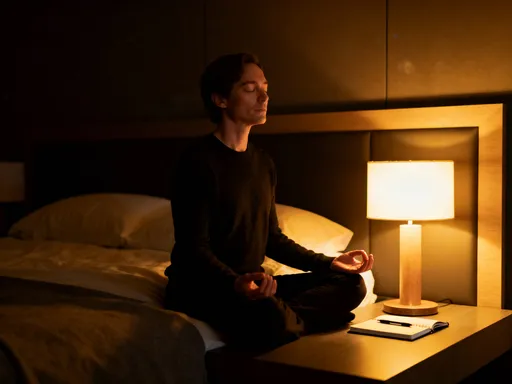
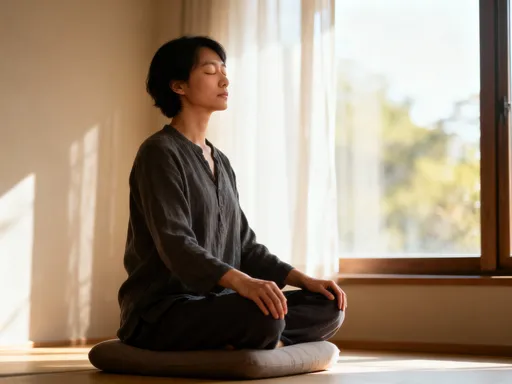
Learning to manage stress became a turning point. I started with simple, evidence-based tools. Deep breathing, for example, activates the parasympathetic nervous system, which helps the body shift from “fight or flight” to “rest and digest.” I practiced four-second inhales, six-second exhales, and found that even two minutes could calm my mind. Journaling also helped. Writing down my thoughts each evening cleared mental clutter and reduced nighttime anxiety.
Digital detox was another game-changer. I set boundaries around screen time, especially in the evenings. I turned off notifications, avoided work emails after dinner, and created tech-free zones in my home. These pauses gave my nervous system a chance to reset. I also built in 10-minute buffer zones throughout the day—short breaks to breathe, stretch, or simply sit quietly. These moments didn’t solve big problems, but they prevented small stresses from building into chronic strain.
Managing stress isn’t passive. It’s an active form of self-care that protects both heart and brain health. Studies show that people who practice regular stress-reduction techniques have lower risks of heart disease, better cognitive function, and stronger emotional resilience. For me, these tools didn’t eliminate stress—they helped me respond to it in healthier ways.
Putting It All Together: Building Your Personal Prevention Plan
Prevention doesn’t require doing everything at once. In fact, trying to overhaul your entire life often leads to burnout. The most effective approach is to start small. Choose one area—sleep, nutrition, movement, or stress—and focus on building one sustainable habit. For me, it was sleep. Once I improved my rest, I had more energy to cook better meals and move more. Each success built momentum.
Tracking progress helps, but not obsessively. Simple check-ins—like noting how you slept or whether you took a walk—keep you aware without creating pressure. The goal isn’t perfection. It’s consistency. Even on days when you don’t do everything “right,” showing up matters. Health is a long game, and small, repeated actions create lasting change.
It’s also important to know when to seek professional support. While self-care is powerful, it has limits. Regular check-ups, blood work, and conversations with a healthcare provider are essential parts of prevention. They can catch issues early and provide personalized guidance. I now see my doctor annually, not just when I’m sick, and I view these visits as part of my health strategy.
Finally, prevention isn’t about fear. It’s about freedom. It’s the freedom to play with your grandchildren, travel without fatigue, or simply enjoy daily life with energy and clarity. It’s about living fully, not just avoiding disease. My journey taught me that health isn’t something that happens to us—it’s something we create, day by day.
So, what’s one step you can take today? Maybe it’s drinking more water, taking a short walk, or going to bed 15 minutes earlier. Small choices matter. They add up. And over time, they build a life of greater strength, resilience, and well-being. Prevention isn’t flashy. But it works. And it’s never too late to begin.