How I Caught My Stress Early with Simple Breathing—And Why You Should Too
Stress creeps in quietly—until it doesn’t. I noticed my shoulders always tense, my sleep restless, and my focus fading. That’s when I learned: breath isn’t just automatic; it’s a signal. Using simple breathing techniques, I caught my body’s early warnings before bigger issues arose. This is how paying attention to something as basic as breath can become a powerful act of self-care. What began as a small experiment—just a few minutes each day—grew into a cornerstone of my well-being. It didn’t require special equipment, a gym membership, or drastic lifestyle changes. Just awareness and intention. And yet, the impact was profound. By tuning into my breath, I found a way to listen to my body before it had to shout. This is not a miracle cure, but a practical, science-supported strategy that anyone can use to stay ahead of stress.
The Hidden Alarm: Recognizing Early Signs of Stress and Imbalance
Most people think of stress as something that shows up dramatically—a panic attack, a breakdown, or an overwhelming sense of exhaustion. But in reality, stress often begins with quiet, subtle cues that are easy to ignore. These signs are not emergencies, but whispers: a slight tension in the neck, a shorter temper than usual, difficulty concentrating on tasks that once felt manageable. Physical fatigue after minimal effort, disrupted sleep, or a feeling of being mentally foggy can all be early signals that the body is under strain. Emotional shifts—like feeling unusually irritable or withdrawn—can also point to an imbalance that has not yet reached crisis level.
One of the most overlooked indicators is breathing. When stress builds, breathing tends to become shallow and rapid, often shifting from deep diaphragmatic breaths to quick chest breaths. This change may go unnoticed, especially when focused on daily responsibilities. Yet, the way we breathe reflects the state of our nervous system. Shallow breathing limits oxygen flow, increases muscle tension, and can contribute to feelings of anxiety or restlessness. It is both a symptom and a contributor to stress, creating a feedback loop that can worsen over time if not addressed.
The key is not to wait for burnout to recognize these signals. Instead, learning to identify them early allows for timely intervention. Think of these signs as your body’s internal alarm system—designed not to frighten, but to inform. When fatigue lingers beyond a late night or irritability persists without a clear cause, it may not be a personal failing, but a physiological response to ongoing pressure. Recognizing this shift is the first step toward restoring balance. And among all the possible tools available, breath stands out because it is always accessible, immediate, and deeply connected to the body’s self-regulation mechanisms.
Why Breathing Works: The Science Behind Breath and the Nervous System
Breathing is unique because it operates both automatically and consciously. Unlike heart rate or digestion, which function without our direct control, breath can be influenced at will. This dual nature makes it a powerful bridge between the mind and body. When we intentionally slow and deepen our breathing, we send a clear message to the brain: everything is okay. This signal activates the parasympathetic nervous system, the branch responsible for calming the body, slowing the heart rate, and reducing stress hormones like cortisol.
Central to this process is the vagus nerve, one of the longest nerves in the body, connecting the brain to major organs including the heart, lungs, and digestive tract. The vagus nerve plays a crucial role in regulating the body’s stress response. Slow, rhythmic breathing stimulates this nerve, enhancing what is known as vagal tone. Higher vagal tone is associated with better emotional regulation, improved resilience to stress, and greater overall physical health. In simple terms, when you breathe slowly and steadily, your body interprets it as a sign of safety, which in turn reduces the physiological markers of stress.
Scientific research consistently supports the benefits of controlled breathing. While specific studies vary in design, the general consensus is clear: practices that emphasize slow, deep breathing can lead to measurable improvements in mood, sleep quality, and cardiovascular function. These changes do not require hours of practice. Even short sessions of focused breathing—lasting just a few minutes—can produce noticeable effects. The mechanism is not mystical; it is physiological. By altering the rhythm of breath, we directly influence the nervous system’s balance between activation and recovery, helping the body shift from a state of alertness to one of restoration.
This understanding transforms breathing from a passive function into an active tool. It is not about forcing the body to relax, but about providing it with the right cues to do so naturally. Over time, regular practice can improve the body’s ability to return to calm after stress, building what experts call resilience. And because this process relies on natural bodily systems, it carries no risk of side effects when practiced correctly. It is a safe, accessible, and evidence-based approach to managing stress before it escalates.
My Go-To Method: A Practical Breathing Routine Anyone Can Try
Among the many breathing techniques I’ve explored, one stands out for its simplicity and effectiveness: the 4-6-8 method. It involves inhaling through the nose for a count of four, holding the breath for six seconds, and exhaling slowly through the mouth for eight counts. This pattern creates a deliberate rhythm that encourages full oxygen exchange and activates the calming response. I first tried it during a particularly busy week when I found myself waking up tense and struggling to focus by midday. After just three days of consistent practice, I noticed a shift—my mornings felt calmer, and I was less reactive to small frustrations.
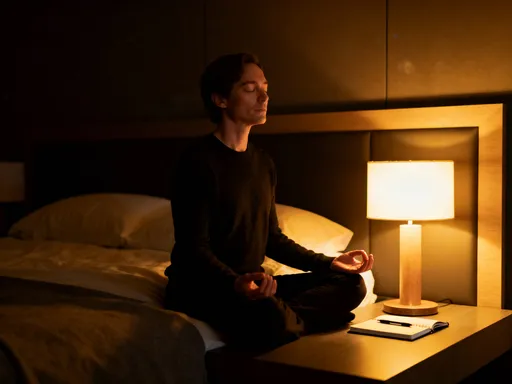
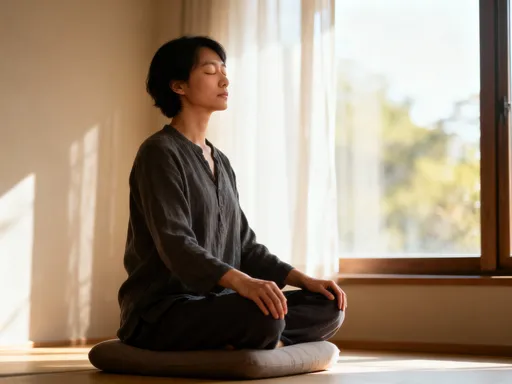
I practice this routine in the morning, right after waking, and again before bed. These times are ideal because they bookend the day, setting a grounded tone in the morning and supporting relaxation at night. I sit in a comfortable chair or lie down, placing one hand on my chest and the other on my abdomen to ensure I am breathing deeply from the diaphragm, not just the upper chest. Closing my eyes helps minimize distractions, but it is not necessary. The key is consistency, not perfection. Even on days when my mind wanders, simply returning to the count helps recenter my focus.
The beauty of this method lies in its flexibility. It can be done anywhere—on a quiet porch, in a parked car, or even at a desk between tasks. I’ve used it during short breaks at work, before important conversations, or when feeling overwhelmed by household responsibilities. The full cycle takes less than two minutes, making it easy to fit into even the busiest schedules. I recommend starting with just two to three rounds and gradually increasing to five or six as comfort grows. What matters most is not the number of repetitions, but the regularity of practice. Over time, the body begins to associate this rhythm with safety, making it easier to access calm when needed.
Some people worry they won’t do it “right,” but there is no single correct way. If counting feels too rigid, a simpler version—inhaling for four, exhaling for six or eight—can be equally effective. The goal is not to achieve a perfect technique, but to create a moment of intentional stillness. This small act sends a powerful message to the nervous system: you are safe, you are present, and you are in control. And that message, repeated daily, can reshape the way the body responds to stress over time.
How to Spot What’s Normal vs. What’s a Warning Sign
Not every moment of stress is a cause for concern—some level of daily pressure is normal and even motivating. The challenge lies in distinguishing between everyday ups and downs and signs of deeper imbalance. One helpful approach is self-monitoring: paying attention to personal patterns over time. For example, what is your typical breathing rate at rest? Is it smooth and effortless, or do you often catch yourself sighing or taking shallow breaths? Do you notice tension in your jaw, shoulders, or back without physical exertion? These observations, when tracked regularly, can reveal trends that might otherwise go unnoticed.
A simple self-check can be done in under a minute. Pause, close your eyes, and take three natural breaths. Notice where the breath lands—in the chest or the belly. Is the inhale longer than the exhale? Are there pauses or tightness? Then ask yourself: Have I been sighing more than usual? Do I feel on edge without a clear reason? Is sleep less restful than it used to be? These questions are not meant to induce worry, but to promote awareness. Changes in breathing habits, energy levels, or emotional resilience often precede more serious symptoms like chronic anxiety or physical illness.
It is also important to recognize that stress does not always feel like stress. Sometimes it shows up as physical discomfort—frequent headaches, digestive issues, or unexplained fatigue. Other times, it manifests as emotional numbness or disengagement, making it easy to dismiss as “just being tired.” But when these states persist beyond a few days, they may indicate that the body’s stress response is overactive. Breathing can serve as both a mirror and a regulator in these moments. When you notice irregular patterns, a short breathing exercise can help reset the system and provide clarity on whether the body needs rest, movement, or professional support.
The goal is not to eliminate all stress—this is neither possible nor desirable. Healthy stress, such as the kind that comes from meeting a deadline or learning something new, is part of growth. But chronic, unmanaged stress can wear down both mental and physical health. By learning to read the body’s signals early, particularly through breath, individuals can take proactive steps before minor imbalances become major issues. This kind of self-awareness is not about hypervigilance, but about cultivating a compassionate relationship with one’s own well-being.
Making It Stick: Fitting Breath Practice into Real Life
One of the biggest challenges with any new habit is consistency. It is easy to commit in theory, but daily life—with its demands, distractions, and routines—can make follow-through difficult. The key to making breath practice stick is integration. Instead of treating it as an extra task, it can be linked to existing habits. For example, I began pairing my breathing routine with morning toothbrushing. While brushing, I focus on taking slow, deep breaths, using the two minutes as a mindfulness anchor. Similarly, I use the time after turning off the car engine as a transition moment to take a few conscious breaths before entering the house.
Another effective strategy is using reminders. I set a gentle alert on my phone for mid-afternoon, a time when energy often dips and stress builds. The notification simply says “Breathe,” prompting a short pause. Some people find voice notes helpful—recording a calm instruction to guide a breathing session. Others prefer placing sticky notes in visible spots: on the bathroom mirror, the kitchen cabinet, or the edge of a computer screen. These small cues serve as invitations to pause, not demands to perform.
It is also important to address common obstacles with kindness. Forgetfulness is normal, especially at first. Rather than feeling discouraged, I remind myself that each return to the practice is a success. Skepticism is another barrier—some may doubt that such a simple act can make a difference. In those moments, I focus on the experience itself: How do I feel before and after? Even a brief shift in mood or tension level is evidence enough. Over time, these small changes accumulate, reinforcing the habit naturally.
The goal is not perfection, but presence. Five minutes a day is more beneficial than twenty minutes once a week. And even one conscious breath counts. By embedding breath awareness into daily life, it becomes less of a chore and more of a refuge—a quiet moment of care in the middle of a busy day. This kind of sustainable practice is what leads to lasting change.
When to Seek Help: Understanding the Limits of Self-Care
Breathing exercises are a valuable tool, but they are not a substitute for professional medical care. While they can help manage mild to moderate stress, they cannot replace treatment for clinical anxiety, depression, or other mental health conditions. It is essential to recognize when self-care is no longer enough. Persistent symptoms—such as ongoing feelings of hopelessness, unrelenting anxiety, chest pain, or chronic insomnia—should not be ignored. These may indicate underlying conditions that require evaluation by a healthcare provider.
Physical symptoms like frequent headaches, dizziness, or heart palpitations should also prompt a consultation. While stress can contribute to these issues, they may also stem from other medical causes that need proper diagnosis. Similarly, if breathing exercises cause discomfort or increase anxiety, it may be a sign to pause and seek guidance. Some individuals may benefit from working with a trained therapist or wellness coach who can tailor techniques to their specific needs.
Self-care and professional care are not opposites—they are complementary. Using breathing techniques to manage daily stress can reduce the overall burden on the body and mind, potentially decreasing the need for more intensive interventions later. But when symptoms persist or worsen, seeking help is not a failure; it is an act of strength and responsibility. Early intervention, combining personal practices with expert support, offers the best chance for long-term well-being.
The goal is balance: empowering individuals to take charge of their health while knowing when to reach out. Breathing can be a first line of defense, but it is part of a broader ecosystem of care that includes nutrition, movement, sleep, and medical support when needed. Recognizing this balance ensures that self-care remains safe, effective, and sustainable.
Breath as Prevention: Building Resilience Before Crisis Hits
Think of breath training as preventive medicine for the mind and body. Just as brushing your teeth daily prevents cavities, regular breathing practice helps protect against the buildup of stress. It is not about fixing a problem, but about maintaining balance. The most powerful aspect of this practice is its ability to build resilience over time. Resilience does not mean never feeling stress—it means recovering from it more quickly and with less damage. And breath, as a direct regulator of the nervous system, plays a central role in this recovery process.
When practiced consistently, breathing exercises strengthen the body’s ability to shift from a state of tension to one of calm. This flexibility is crucial in modern life, where demands are constant and unpredictable. Over weeks and months, individuals often report improved focus, better sleep, and greater emotional stability. These benefits are not immediate, but they are cumulative. Like building a muscle, the effects grow with repetition. And unlike many wellness trends, this one requires no cost, no equipment, and no special training.
What makes breath so powerful is its accessibility. It is always available, always free, and always personal. No one else can do it for you, and no one else needs to know you are doing it. It can be practiced in silence, in motion, in public, or in private. It fits into motherhood, caregiving, work, and all the roles that shape daily life. For women in their 30s, 40s, and 50s—who often carry the weight of multiple responsibilities—this kind of self-care is not indulgent; it is essential.
In the end, paying attention to breath is about more than stress reduction. It is about reclaiming agency over one’s well-being. It is a quiet act of self-respect—a way of saying, “I am worth a few minutes of calm.” And in a world that often feels overwhelming, these small moments of presence can make all the difference. By starting early, staying consistent, and listening to the body’s signals, anyone can use breath not just to survive stress, but to thrive despite it.