How I Grew Stronger by Listening to My Body—A Real Woman’s Long-Term Wellness Journey
For years, I ignored my body’s signals—fatigue, bloating, low energy—thinking they were just part of being a woman. But after constant exhaustion derailed my daily life, I realized something had to change. This isn’t about quick fixes or drastic diets. It’s about long-term body tuning: small, consistent choices that honor how women truly function. What I discovered transformed not just my health, but my relationship with myself. I learned that strength isn’t measured by how much I could push through, but by how well I could listen, respond, and care. This journey wasn’t about perfection. It was about presence—showing up for my body every day, even in quiet ways.
The Wake-Up Call: When “Normal” Symptoms Became Unacceptable
It started with something small—a missed period. Then came the afternoons when I could barely keep my eyes open, even after eight hours of sleep. I’d snap at my children over spilled milk, then feel guilty minutes later. My clothes fit tighter, but I wasn’t eating more. At work, I struggled to focus during meetings, my thoughts foggy and slow. For a long time, I told myself this was normal. Women are tired, I reasoned. We’re busy. We juggle so much. But deep down, I knew something was off. The turning point came during a family hike. My ten-year-old daughter raced ahead while I stopped every few minutes, breathless and dizzy. I wasn’t out of shape—I used to run marathons. That moment shook me. I wasn’t just tired. I was depleted.
What I didn’t realize then was that many of the symptoms I’d dismissed as “just part of life” were actually signals of deeper imbalance. Irregular cycles, persistent bloating, low stamina, mood swings—these aren’t inevitable side effects of womanhood. They are messages. The body doesn’t speak in words, but in sensations, rhythms, and shifts. When energy dips daily by 3 p.m., when irritability flares before menstruation, when digestion feels off for weeks—these are not flaws. They are feedback. Research shows that women often minimize their symptoms, attributing them to stress or aging, when they may reflect nutritional gaps, hormonal fluctuations, or chronic low-grade inflammation. The problem isn’t that we experience these changes. It’s that we’ve been taught to ignore them.
The shift began when I stopped asking, “Am I broken?” and started asking, “What is my body trying to tell me?” This subtle change in mindset moved me from shame to curiosity. Instead of blaming myself for lacking willpower or discipline, I began to see my symptoms as clues. That afternoon on the trail wasn’t a failure of fitness. It was a warning sign I could no longer afford to overlook. I didn’t need to train harder. I needed to understand more. And that understanding started with listening.
Understanding the Female Body: A Different Kind of Strength
Women’s bodies are not smaller versions of men’s. They operate on a different rhythm, shaped by hormonal cycles, metabolic patterns, and stress responses that evolve across life stages. From puberty to perimenopause, the female system follows a dynamic monthly arc influenced by estrogen, progesterone, and cortisol. These hormones don’t just regulate reproduction. They affect energy, mood, appetite, sleep, and immune function. When we treat women’s health as an afterthought to male-centric models, we miss the nuance of what true wellness requires.
Think of the female body as a finely tuned instrument, like a grand piano. Each string represents a different system—hormones, digestion, immunity, emotions. When one is out of tune, the whole piece sounds off. Yet most mainstream health advice treats the body like a machine that needs fixing, not a living system that needs harmony. Diets that severely restrict calories, exercise plans that demand high intensity every day, sleep routines that ignore circadian shifts—these can throw the entire system further out of balance, especially for women whose energy and hormone levels naturally ebb and flow.
One-size-fits-all solutions often fail because they don’t account for individual variation. Two women of the same age may have vastly different metabolic rates, stress loads, or nutritional needs based on lifestyle, genetics, and life history. A woman in her 40s managing early perimenopause has different energy and hormonal support needs than a new mother recovering from childbirth. The key isn’t to follow the loudest trend or the most popular program. It’s to develop self-awareness—to learn your own rhythm and honor it.
True strength for women isn’t about pushing through fatigue or starving to fit into old jeans. It’s about resilience—the ability to adapt, recover, and thrive across changing seasons of life. That kind of strength comes not from external discipline alone, but from internal attunement. When we understand our bodies not as problems to fix, but as partners to support, we unlock a deeper, more sustainable form of wellness.
Food as Daily Support, Not Punishment
I used to think eating well meant restriction. I’d start a new diet every January, cutting out carbs, then sugar, then dairy, only to fall off by February. Each cycle left me hungrier, more frustrated, and heavier than before. What changed was shifting my mindset from dieting to nourishment. Instead of asking, “What can I cut out?” I began asking, “What can I add in to support my body today?” This small shift made all the difference. Food stopped being the enemy and became daily care.
The body runs on fuel, and women need consistent, balanced nutrition to maintain energy, stabilize mood, and support hormonal health. Skipping meals might seem like a way to lose weight, but it often backfires. When blood sugar drops, the body releases cortisol, the stress hormone, which can increase cravings, disrupt sleep, and contribute to abdominal fat storage. Eating regular meals with adequate protein, healthy fats, and fiber helps keep energy steady and hunger at bay. For example, a breakfast with eggs, avocado, and whole grain toast provides sustained fuel, unlike a sugary cereal that leads to a crash by mid-morning.
Practical changes made the biggest impact. I started packing balanced snacks—apple slices with almond butter, Greek yogurt with berries, or a handful of nuts and dried fruit. These kept me from reaching for vending machine treats when hunger hit. I also learned to listen to my hunger cues. Sometimes, what felt like a craving was actually thirst or fatigue. Other times, emotional stress triggered the desire to eat. Instead of judging myself, I began to respond with compassion. If I was stressed, I might take a five-minute walk or drink herbal tea instead of reaching for cookies. Over time, I developed a kinder relationship with food—one based on care, not control.
Nourishment isn’t about perfection. It’s about patterns. Eating well 80% of the time leaves room for enjoyment without guilt. The goal isn’t to eliminate treats, but to build a foundation of real, whole foods that make you feel strong and clear-headed. When your body is properly fueled, you don’t need food to numb stress or fill emotional gaps. You eat to live, not live to eat.
Movement That Honors, Not Harms
For years, I believed fitness meant pain. I pushed myself through intense workouts, thinking soreness was a sign of progress. But instead of feeling stronger, I felt drained. My periods became irregular, my sleep suffered, and my motivation plummeted. It wasn’t until I stepped back that I realized: movement should support the body, not deplete it. The “no pain, no gain” mentality doesn’t serve most women, especially as we age or navigate hormonal changes.
Gentle, consistent movement is far more effective for long-term wellness. Walking, for instance, is one of the most underrated forms of exercise. It improves circulation, lowers stress hormones, and supports metabolic health without overtaxing the system. I started with just 20 minutes a day, often after dinner with my family. Over time, it became a non-negotiable part of my routine—a time to clear my mind and move my body without pressure. Yoga offered similar benefits. Instead of striving for perfect poses, I focused on breath and alignment. The practice taught me to tune into my body’s limits and respect them.
Strength training, once intimidating, became a source of empowerment. Lifting weights two to three times a week helped preserve muscle mass, which naturally declines with age. It also improved my posture, balance, and bone density—critical for long-term health. I didn’t need heavy weights or long sessions. Bodyweight exercises like squats, lunges, and planks, done with proper form, were enough to build resilience. The key was consistency, not intensity.
I now follow a simple weekly rhythm: three strength sessions, four to five walks, and one or two yoga practices. It’s not rigid. If I’m tired, I swap a workout for stretching. If I’m busy, I take a shorter walk. This flexibility makes it sustainable. Movement is no longer a chore or a punishment. It’s a daily act of respect for my body—a way to say, “I value you.”
Rest as a Foundation, Not a Luxury
In a culture that glorifies busyness, rest is often seen as lazy or indulgent. But the truth is, rest is not the opposite of productivity. It’s the foundation of it. Chronic fatigue isn’t a sign of weakness. It’s a sign that the body and mind haven’t had enough recovery. Sleep is the most obvious form of rest, but it’s only one piece. Mental downtime, digital breaks, and emotional pauses are equally important.
I used to wear exhaustion like a badge of honor. I’d stay up late answering emails, scroll through my phone in bed, and wake up early to “get ahead.” But my energy was erratic, my focus weak. When I prioritized sleep—aiming for 7 to 8 hours and sticking to a consistent bedtime—my mood stabilized, my digestion improved, and I made fewer mistakes at work. Sleep isn’t passive. It’s when the body repairs tissues, balances hormones, and consolidates memories. Without it, everything else suffers.
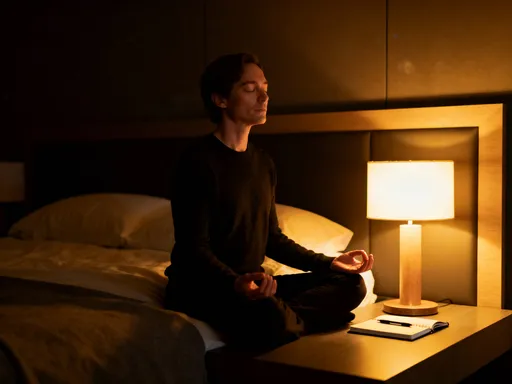
Beyond sleep, I built in small rest practices throughout the day. I started taking five-minute breaks every few hours to stretch or breathe deeply. I turned off notifications during meals and after 8 p.m. I began journaling before bed, which helped me process the day’s emotions instead of carrying them into sleep. These moments of stillness weren’t wasted time. They restored my clarity and emotional resilience.
Rest also means saying no. I learned to protect my energy by declining commitments that drained me. I stopped equating self-worth with output. True rest isn’t about doing nothing. It’s about creating space for the body and mind to reset. When we rest well, we show up better—for our families, our work, and ourselves.
Tracking Patterns, Not Perfection
One of the most powerful tools in my journey was tracking. Not to obsess, but to observe. I started a simple journal where I noted my energy levels, mood, sleep quality, and menstrual cycle. At first, the patterns were hard to see. But over months, trends emerged. I noticed I had more focus in the first half of my cycle, when estrogen is higher. I felt more social and creative then. In the week before my period, I craved more carbs and felt more withdrawn. Instead of fighting it, I began to plan around it—scheduling demanding tasks for my high-energy days and saving lighter work for the rest.
Tracking taught me that my body isn’t broken. It’s rhythmic. Every woman has a unique pattern of energy, emotion, and physical sensation that shifts with her cycle. When we ignore these rhythms, we work against ourselves. When we align with them, we work with our biology, not against it. I stopped expecting the same performance every day. Some days, my best was a 30-minute walk and a home-cooked meal. Other days, I could tackle a big project or host a family dinner. Both were valid.
I kept my tracking low-tech—a notebook on my nightstand, not an app. Screens already take up enough of my day. Writing by hand felt more mindful, more connected. I didn’t track every calorie or step. I focused on what mattered: how I felt. This practice didn’t create pressure. It created power. Knowledge is empowering. When you understand your patterns, you can make choices that support you, not drain you.
The goal isn’t to achieve perfect balance every day. It’s to build self-awareness. When you know your rhythms, you can anticipate low-energy days and prepare. You can celebrate your peaks without guilt. You can respond to your body with care, not criticism. That’s the heart of long-term wellness.
The Long Game: Why Consistency Beats Intensity
The biggest lesson I’ve learned is that health isn’t a sprint. It’s a slow, steady walk. Dramatic changes rarely last. What endures is the small, daily choice to show up. I don’t need to run a marathon or lose 20 pounds to be healthy. I need to eat well most days, move my body regularly, sleep enough, and listen when I’m tired. These choices, repeated over time, build resilience.
There have been setbacks. Holidays, travel, illness—life happens. I’ve had weeks when I barely cooked, skipped workouts, and stayed up too late. But I no longer see these as failures. They’re part of the journey. What matters is returning, gently, without self-judgment. Self-kindness isn’t weakness. It’s what keeps us going.
The gains have been subtle but profound. My skin is clearer. I get sick less often. My moods are more stable. I have energy to play with my kids, to laugh, to dream. These aren’t flashy results, but they matter. True health isn’t about looking a certain way. It’s about feeling alive.
In the end, growing stronger wasn’t about becoming someone else. It was about coming home to myself. It was about learning to listen, to trust, to care. Wellness isn’t a destination. It’s a daily practice—a quiet commitment to honor the body I have, right now. And that, I’ve learned, is the deepest form of strength.