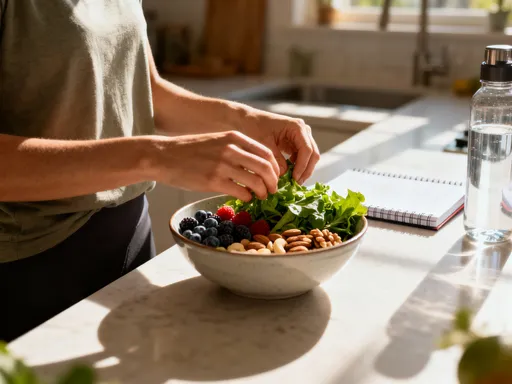
Hair Wins in No Time: How My Plate Transformed My Locks
You know that frustrating moment when you're staring in the mirror, tugging at thinning strands or dull, lifeless hair? I’ve been there—until I realized the real fix wasn’t in my shampoo, but on my plate. Turns out, what you eat doesn’t just fuel your body; it builds your hair from the root up. I made simple, doable swaps in my diet and started seeing stronger, shinier hair in just weeks. This isn’t magic—it’s science. And once you understand how food powers your follicles, you’ll never look at meals the same way again.
The Hidden Root of Hair Woes: Why Topical Fixes Aren’t Enough
Hair concerns are among the most common yet misunderstood wellness challenges, especially for women over 30. Many turn to high-end serums, specialized shampoos, or salon treatments in hopes of reviving their locks. While these products can offer surface-level benefits—like added shine or temporary volume—they often fall short when it comes to addressing the deeper causes of hair thinning, brittleness, or slow growth. The truth is, no amount of topical application can compensate for internal deficiencies. Hair is not merely a cosmetic feature; it is a living tissue, primarily composed of keratin, a structural protein synthesized by the body using nutrients derived from food. When the body lacks essential vitamins and minerals, hair becomes one of the first areas to show signs of imbalance.
The hair growth cycle consists of three phases: anagen (growth), catagen (transition), and telogen (resting and shedding). A healthy scalp cycles through these stages seamlessly, with about 85–90% of hair follicles typically in the growth phase at any given time. However, nutritional gaps can disrupt this rhythm, shortening the anagen phase and pushing more follicles into premature shedding. For instance, low iron levels—a condition more prevalent in women, particularly after childbirth or during perimenopause—can mimic the effects of genetic hair loss. Without sufficient iron, red blood cells cannot carry adequate oxygen to the scalp, impairing follicle function and weakening the hair shaft. Similarly, protein deficiency leads to reduced keratin production, resulting in thinner, more fragile strands.
External treatments may temporarily improve appearance, but they cannot rebuild the structural integrity of hair from within. A conditioner might smooth the cuticle, and a serum might reduce breakage, but neither can stimulate new growth if the body lacks the raw materials to create it. This is why so many women feel stuck in a cycle of spending on hair products without seeing lasting change. The solution lies not in the bathroom cabinet, but in the kitchen. Addressing hair health through nutrition targets the root cause—literally. When the body receives consistent nourishment, it can prioritize hair growth again, leading to stronger roots, reduced shedding, and improved texture over time. Lasting transformation begins not with what you apply, but with what you consume.
Meet Your Hair’s MVP Nutrients: What Actually Fuels Growth
If hair is built from the inside out, then certain nutrients play starring roles in that process. Think of your hair follicles as tiny construction sites—every strand requires specific materials to be assembled correctly. Without the right supplies, the structure becomes weak, uneven, or incomplete. The most impactful nutrients for hair health are not exotic or hard to find; they are foundational elements that support cellular function, protein synthesis, and circulation. Understanding their roles helps shift focus from chasing trendy supplements to building balanced, nutrient-dense meals.
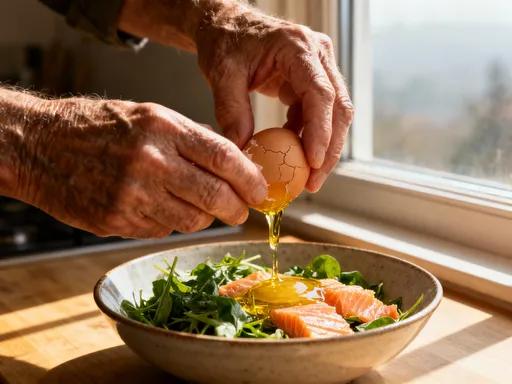
Protein is the cornerstone. Since hair is over 90% keratin, a protein made from amino acids, adequate dietary protein is non-negotiable. Without enough protein, the body may divert available amino acids to more critical functions—like maintaining muscle or organ health—leaving hair growth as a lower priority. Good sources include eggs, Greek yogurt, lentils, chicken, and fish. Eggs, in particular, are a powerhouse: they contain not only high-quality protein but also biotin and sulfur, both of which support keratin formation. Sulfur-rich foods like onions and garlic can also contribute, though they are often overlooked.
Iron is another critical player, especially for women. Iron deficiency, even when not severe enough to cause anemia, can lead to noticeable hair shedding. This is because iron helps hemoglobin carry oxygen to all tissues, including hair follicles. When oxygen delivery is compromised, follicles may enter the resting phase prematurely. Plant-based sources like spinach, lentils, and fortified cereals are helpful, but they contain non-heme iron, which is less easily absorbed. Pairing these with vitamin C-rich foods—like bell peppers, citrus, or tomatoes—enhances absorption significantly.
Omega-3 fatty acids, found in fatty fish like salmon, chia seeds, and walnuts, nourish the scalp and support natural oil production. These healthy fats reduce inflammation, which can otherwise interfere with the hair cycle. A well-hydrated scalp environment allows follicles to function optimally, reducing dryness, flakiness, and breakage. Zinc, another essential mineral, aids in tissue repair and immune regulation. Low zinc levels have been linked to hair loss, though excessive intake—usually from supplements—can have the same effect, underscoring the importance of balance.
Vitamin D has emerged as a key factor in follicle health. Research suggests it may help stimulate new hair follicle development and prolong the growth phase. While sunlight is a primary source, many people, especially those in northern climates or with limited sun exposure, may benefit from dietary or supplemental vitamin D. Fatty fish, egg yolks, and fortified dairy products offer modest amounts. Biotin, often marketed as a “hair growth vitamin,” does support keratin infrastructure, but most people get enough from their diet. Deficiency is rare and typically only occurs with prolonged antibiotic use or certain genetic conditions. Over-reliance on biotin supplements can even interfere with lab tests, so food-first nutrition remains the safest path.
The 7-Day Plateover: Real Food Swaps That Work Fast
Changing your diet doesn’t require drastic measures or expensive superfoods. The most effective approach is making simple, repeatable swaps that align with everyday life. The goal isn’t perfection—it’s progress. The “Plateover” concept focuses on upgrading meals with hair-supportive ingredients you already have or can easily find. These changes are designed to be sustainable, enjoyable, and fast-acting, with many women reporting improved hair texture within a few weeks.
Start with breakfast. Instead of sugary cereals or pastries, try scrambled eggs with spinach and tomatoes. Eggs provide protein, biotin, and sulfur, while spinach adds iron and vitamin C—boosting iron absorption. Add a slice of whole-grain toast for sustained energy and zinc. If you’re short on time, a smoothie made with Greek yogurt, banana, chia seeds, and a handful of kale delivers protein, omega-3s, and iron in one glass. Chia seeds are especially beneficial: they contain omega-3s, fiber, and antioxidants, all while blending seamlessly into drinks and oatmeal.
Lunch is an opportunity to pack in plant-based protein and complex carbohydrates. Swap white rice for quinoa, which is a complete protein containing all nine essential amino acids. Add black beans or lentils for extra iron and fiber. Include colorful vegetables like bell peppers, carrots, and broccoli—rich in vitamins A and C, which support collagen production and scalp health. Drizzle with olive oil, a source of healthy monounsaturated fats that help absorb fat-soluble vitamins. A simple salad with chickpeas, cucumber, and avocado provides zinc, healthy fats, and hydration—key for strong, flexible strands.
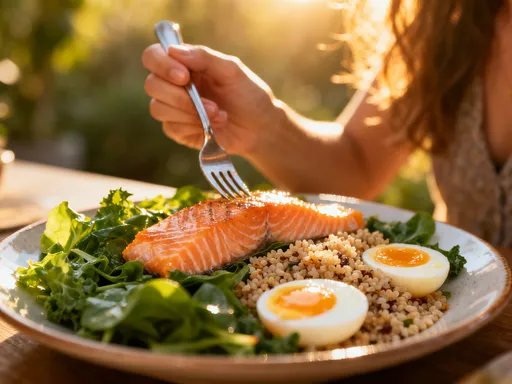
Dinner can center around fatty fish like salmon or mackerel, rich in omega-3s and high-quality protein. Bake or grill it with lemon and herbs for flavor without excess salt or sugar. Pair it with sweet potatoes, which offer beta-carotene (a precursor to vitamin A) and complex carbs that stabilize blood sugar—important because insulin fluctuations can affect hormone balance and, in turn, hair growth. For vegetarians, tofu or tempeh served with brown rice and steamed greens offers a complete amino acid profile and essential minerals.
Snacks matter too. Instead of chips or cookies, reach for a small handful of walnuts, a boiled egg, or a piece of fruit with nut butter. These choices stabilize blood sugar and provide targeted nutrients without excess processing. Even beverage swaps help: replacing afternoon soda with green tea introduces antioxidants and a modest amount of caffeine, which some studies suggest may stimulate follicle activity when consumed in moderation.
Foods That Sabotage Your Strands (And What to Eat Instead)
Just as certain foods build strong hair, others can quietly undermine it. The modern diet, filled with processed items, added sugars, and refined oils, often promotes inflammation—a silent disruptor of the hair cycle. Chronic inflammation can shorten the anagen (growth) phase and increase shedding. While the occasional treat won’t cause damage, consistent consumption of inflammatory foods may contribute to thinning over time.
Refined carbohydrates—like white bread, pastries, and sugary cereals—cause rapid spikes in blood sugar and insulin. Over time, this can lead to insulin resistance, which is linked to hormonal imbalances that affect hair growth. High-glycemic diets have been associated with increased androgen activity, which can shrink hair follicles in sensitive individuals. Instead of these processed carbs, choose whole grains like oats, barley, or farro. They release energy slowly, support stable insulin levels, and provide B vitamins that aid in cell metabolism and hair strength.
Trans fats and hydrogenated oils, commonly found in margarine, packaged snacks, and fried foods, also promote inflammation. These fats interfere with the body’s ability to use essential fatty acids, weakening cell membranes—including those in hair follicles. Replace them with natural fats like avocado, olive oil, nuts, and seeds. Avocado, in particular, is rich in vitamin E, an antioxidant that protects hair from oxidative stress, and monounsaturated fats that support scalp hydration.
Excess vitamin A, usually from supplements rather than food, is another hidden culprit. While vitamin A is important for skin and scalp health, too much can lead to hair loss. The body stores excess vitamin A in the liver, and when levels become too high, it can trigger shedding. This is not a concern with food sources like carrots or sweet potatoes, which contain beta-carotene—a precursor the body converts only as needed. However, high-dose supplements should be used cautiously, especially without medical supervision.
Crash dieting or extreme calorie restriction is one of the most common causes of sudden hair loss. When the body senses starvation, it shifts energy away from non-essential functions, including hair growth. Telogen effluvium—a condition where large numbers of hairs enter the shedding phase simultaneously—often follows periods of rapid weight loss or nutrient deficiency. Instead of drastic cuts, focus on balanced, nutrient-dense eating. Eating enough calories from wholesome sources ensures the body feels safe investing in hair renewal.
Speed Boosters: Combining Diet with Lifestyle for Faster Results
Nutrition lays the foundation, but lifestyle factors can accelerate or hinder progress. Think of hair health as a garden: good soil (diet) is essential, but sunlight (sleep), water (hydration), and care (stress management) are equally important. Optimizing these elements creates an environment where hair can thrive, not just survive.
Sleep is a powerful yet underrated ally. During deep rest, the body releases growth hormone, which supports tissue repair and cellular regeneration—including in hair follicles. Poor or inconsistent sleep disrupts hormone balance, increases cortisol (the stress hormone), and can push hair into the shedding phase. Aim for 7–8 hours of quality sleep each night. Establishing a calming bedtime routine—like reading, gentle stretching, or drinking herbal tea—can improve sleep quality without medication.
Stress, both physical and emotional, is a major trigger for hair loss. Chronic stress elevates cortisol, which can constrict blood vessels and reduce nutrient delivery to the scalp. It also disrupts the hair cycle, leading to increased shedding. While eliminating stress entirely isn’t realistic, managing it through movement helps. Daily walks, yoga, or light stretching improve circulation and lower cortisol levels. Even 15–20 minutes of mindful walking can make a difference. Deep breathing exercises or journaling can also provide emotional release, supporting overall hormonal balance.
Hydration is often overlooked but vital. Hair strands are about 25% water, and dehydration can make them brittle and prone to breakage. Drinking enough water—about 6–8 glasses a day—keeps the scalp moisturized and supports nutrient transport. Herbal teas and water-rich foods like cucumbers, oranges, and zucchini also contribute to fluid intake.
Scalp massage is a simple, evidence-backed practice that enhances blood flow to follicles. Just 5 minutes a day with gentle fingertip pressure can stimulate circulation, helping deliver oxygen and nutrients more efficiently. Some women incorporate this into their evening routine, using a few drops of jojoba or coconut oil to reduce friction and add moisture. While not a substitute for nutrition, it complements dietary efforts by optimizing the delivery system.
What to Expect (And When): Tracking Realistic Hair Progress
Patience is key, but so is observation. Hair grows slowly—about half an inch per month on average—so waiting for visible length can be discouraging. However, changes in quality often appear much sooner. Many women notice improvements in texture, strength, and reduced shedding within 4 to 8 weeks of consistent dietary changes. These early signs are meaningful indicators that the body is responding.
One of the first changes I observed was less breakage. After three weeks of eating more protein and omega-3s, my hair felt thicker and more resilient when brushing or styling. By week six, I spotted tiny new hairs along my hairline—baby hairs that hadn’t been there before. Shedding also decreased. I started tracking by doing a gentle “pull test”: after washing, I’d lightly tug on a small section of hair. Initially, I’d lose 10–15 strands; within a month, it dropped to 5 or fewer.
Photographic documentation helps too. Taking front, side, and top-down photos every four weeks allows you to compare progress objectively. Lighting and angle matter, so try to take them in the same place, at the same time of day. Over time, you may notice fuller temples, less scalp visibility, or improved shine. Changes in elasticity—how much hair stretches before breaking—are also telling. Healthy hair should be flexible, not brittle.
It’s important to remember that hair has a delayed response. The strands you see today were influenced by your diet and lifestyle three months ago. That’s why consistency matters more than perfection. Missing a day of salmon or having a slice of cake won’t undo progress. What counts is the long-term pattern. Celebrate small wins—less frizz, better hold in styles, compliments from others—as signs that your efforts are working.
Long-Term Locks: Turning Fast Results into Lifelong Hair Health
The most beautiful hair isn’t the result of a quick fix—it’s the reflection of consistent care. The dietary and lifestyle changes that revive your hair aren’t meant to be temporary. They are sustainable habits that support not only your locks but your overall well-being. Once I saw results, I didn’t revert to old eating patterns. Instead, I viewed my plate as part of my self-care routine, just like moisturizing my skin or brushing my teeth.
True hair wellness is holistic. It’s not about eliminating all indulgences, but about building a foundation of nourishing foods that make you feel strong and vibrant. Over time, these choices become second nature. You’ll find yourself craving more whole foods, noticing how certain meals make your hair look better, and feeling more in tune with your body’s signals.
The journey from dull, thinning hair to strong, shiny locks is not reserved for those with perfect genetics or expensive treatments. It’s accessible to anyone willing to start with their plate. By understanding the science of hair growth, prioritizing key nutrients, avoiding common dietary pitfalls, and supporting your body with rest and calm, you create the conditions for lasting transformation. Your hair is a living record of your inner health. When you feed it well, it doesn’t just grow—it thrives.